Procurement is no longer just about purchasing products or negotiating lower prices. For modern businesses, it plays an important role in controlling costs, maintaining product quality, managing suppliers, and supporting long-term growth. A well-planned procurement process helps companies make better purchasing decisions, avoid unnecessary expenses, and build stronger relationships with suppliers.
As businesses grow, purchasing requirements become more complex. Companies may deal with multiple suppliers, changing market prices, delivery delays, inconsistent product quality, and unexpected supply chain challenges. Without a clear procurement plan, these issues can affect daily operations and profitability. This is where a structured procurement approach can make a meaningful difference.
Furthermore, professional procurement planning helps businesses align purchasing activities with their overall goals. It also improves supplier performance and creates a more reliable supply chain.
Why Procurement Planning Matters for Businesses
Every business depends on reliable purchasing to keep its operations running smoothly. For example, companies may need raw materials, equipment, technology, packaging, transportation, or professional expertise. Therefore, the purchasing process directly affects their overall business performance.
Poor procurement planning can lead to higher costs, delayed deliveries, excess inventory, and dependency on unreliable suppliers. On the other hand, an effective procurement strategy helps businesses identify their needs and compare suppliers. Additionally, companies can evaluate supplier capabilities and choose options that offer long-term value instead of focusing only on price.
Businesses that take a strategic approach to procurement can:
- Reduce unnecessary purchasing expenses
- Improve supplier reliability and accountability
- Maintain consistent product and service quality
- Reduce supply chain risks
- Improve budgeting and cost forecasting
- Support operational efficiency
- Make purchasing decisions with greater confidence
Procurement planning allows businesses to move away from reactive purchasing and toward a more organized, predictable, and sustainable process.
What Is a Procurement Strategy?
A procurement strategy is a structured plan that defines how a business purchases goods and services to meet its operational and financial objectives. It considers purchasing requirements, supplier selection, pricing, contract terms, quality standards, delivery schedules, and potential risks.
Furthermore, an effective procurement strategy considers market conditions, supplier capacity, business growth, and changing customer demands. This approach helps organizations stay prepared and respond proactively to procurement challenges.
How Professional Procurement Support Improves Business Performance
Professional procurement support can help businesses identify gaps in their existing purchasing process and develop practical solutions. The objective is not simply to reduce spending but to improve the overall value businesses receive from their purchasing activities.
With the right guidance, organizations can evaluate current procurement practices, identify opportunities for improvement, establish clear purchasing objectives, and implement processes that support better decision-making.
Businesses looking for structured purchasing guidance can explore Procurement strategy services to improve procurement planning, supplier selection, cost management, and purchasing efficiency.

A professional approach can be particularly valuable for businesses managing multiple suppliers, large purchasing volumes, complex operational requirements, or expanding supply chain activities.
Key Elements of an Effective Procurement Strategy
1. Understanding Business Requirements
The first step in procurement planning is understanding what the business needs. This includes identifying products, services, quantities, specifications, delivery requirements, budgets, and purchasing timelines.
Clear requirements reduce confusion during supplier discussions and help businesses avoid purchasing unnecessary products or services. Proper planning also ensures that purchasing decisions are aligned with operational priorities.
2. Supplier Evaluation and Selection
Choosing the right supplier is one of the most important parts of procurement. A supplier offering the lowest price may not always be the best choice if they cannot maintain quality, meet delivery deadlines, or provide reliable support.
Supplier evaluation should consider pricing, quality standards, production capacity, delivery performance, reputation, financial stability, communication, and flexibility.
Comparing suppliers using consistent evaluation criteria helps businesses make informed decisions and reduces the possibility of unexpected problems after an agreement is finalized.
3. Cost Analysis and Budget Control
Procurement decisions should consider the total cost of ownership rather than only the initial purchase price. Additional expenses may include transportation, storage, maintenance, installation, packaging, handling, and replacement costs.
A detailed cost analysis helps businesses understand the actual financial impact of purchasing decisions. It also highlights opportunities for better negotiation, volume purchasing, and improved budget allocation.
4. Building Strong Supplier Relationships
Reliable suppliers are valuable business partners. Maintaining professional relationships with suppliers encourages better communication, improved coordination, and greater transparency.
Businesses should establish clear expectations regarding quality, pricing, delivery timelines, payment terms, and responsibilities. Regular performance reviews can help identify issues early and encourage continuous improvement.
Strong supplier relationships may also provide businesses with better access to product availability, market information, flexible arrangements, and support during unexpected supply chain disruptions.
5. Risk Management and Supply Chain Stability
Supply chain risks can arise from transportation delays, material shortages, market fluctuations, supplier capacity problems, geopolitical changes, and unexpected operational disruptions.
An effective procurement strategy identifies potential risks before they affect business operations. Companies can reduce dependency on a single supplier, maintain alternative sourcing options, review supplier performance, and develop contingency plans.
Risk management helps businesses maintain continuity and respond more effectively when market conditions change.
The Role of Strategic Sourcing in Procurement
Strategic sourcing focuses on finding the most suitable suppliers and purchasing opportunities based on business requirements, market conditions, and long-term objectives. It involves researching the supplier market, comparing alternatives, evaluating costs, negotiating terms, and selecting suppliers that offer the best overall value.
Businesses can benefit from strategic sourcing services when they want to improve purchasing decisions, identify competitive supplier options, and create a more organized sourcing process.
Rather than relying on the same supplier without regular evaluation, strategic sourcing encourages businesses to review market opportunities and identify suppliers that can meet their changing requirements.
This approach can help organizations improve purchasing efficiency, strengthen negotiation strategies, reduce supply risks, and maintain greater control over procurement activities.
Why Supplier Management Is Important
Selecting suppliers is only the beginning of the procurement process. Businesses also need to monitor supplier performance, maintain communication, review agreements, and ensure that suppliers consistently meet expectations.
Effective supplier management helps companies maintain accountability and improve the overall purchasing experience. It allows organizations to identify performance issues, address delivery delays, maintain quality standards, and build stronger working relationships.
Businesses may benefit from supplier management services when they need assistance evaluating supplier performance, improving communication processes, managing supplier relationships, or developing more structured supplier policies.
A consistent supplier management process can improve operational reliability and help businesses build a dependable network of suppliers that supports long-term growth.
Procurement of Consultancy Services for Better Decision-Making
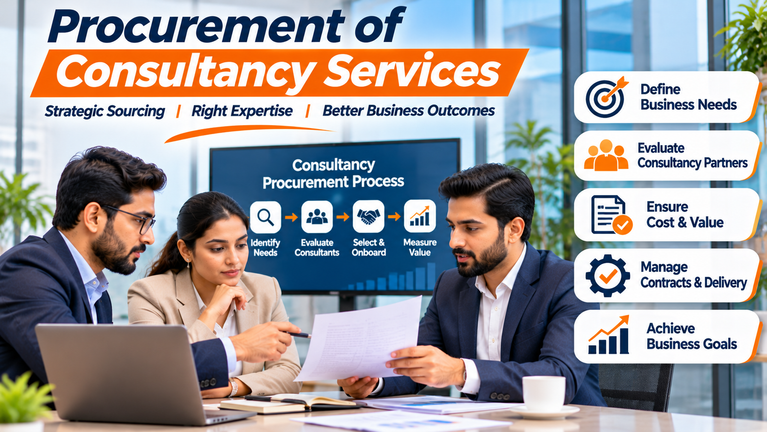
Businesses sometimes require specialized expertise to improve their procurement operations. Consultancy support can help organizations review existing purchasing practices, identify inefficiencies, evaluate supplier markets, develop procurement policies, and implement practical improvement strategies.
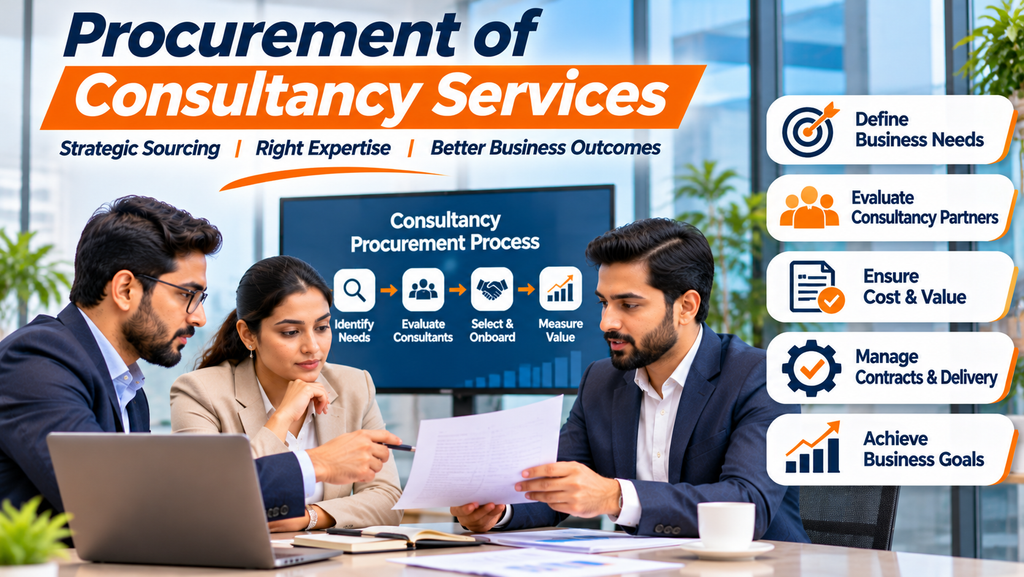
The Procurement of consultancy services can be particularly useful when businesses are facing complex sourcing requirements, planning expansion, reviewing procurement costs, improving supplier performance, or restructuring their purchasing processes.
Consultants can provide an external perspective, helping businesses identify opportunities that may not be visible within their existing operations. They can also support procurement teams with research, planning, process improvement, supplier evaluation, negotiation preparation, and implementation guidance.
The value of consultancy lies in developing solutions that are practical, measurable, and aligned with the organization’s objectives—not simply introducing complicated processes that are difficult to maintain.
Common Procurement Challenges Businesses Should Address
Many organizations experience procurement challenges that gradually affect productivity and profitability. These problems often develop because purchasing processes are not regularly reviewed or supported by clear policies.
Common challenges include:
- Limited supplier options or excessive dependency on one supplier
- Inconsistent product or service quality
- Unplanned purchases and uncontrolled spending
- Poor supplier communication
- Delayed deliveries and inventory shortages
- Lack of transparency in purchasing decisions
- Difficulty comparing supplier quotations
- Limited visibility into procurement costs
Addressing these challenges requires a structured approach that combines planning, supplier evaluation, cost analysis, communication, and performance monitoring.
Businesses should review their procurement processes regularly to identify areas where improvements can be implemented without disrupting daily operations.
How to Develop a Procurement Strategy for Long-Term Growth
Developing a successful procurement strategy requires a clear understanding of current business needs and future goals. The process should begin with an assessment of existing purchasing activities, supplier relationships, spending patterns, and operational challenges.
Businesses can then establish measurable procurement objectives, such as reducing unnecessary spending, improving delivery performance, increasing supplier reliability, or strengthening risk management.
The next step is identifying suitable suppliers and establishing consistent evaluation criteria. Businesses should also define approval procedures, purchasing responsibilities, contract management processes, and supplier performance indicators.
Finally, procurement performance should be reviewed regularly. Tracking costs, supplier performance, delivery timelines, quality issues, and purchasing efficiency helps organizations understand whether their procurement strategy is delivering the expected results.
A procurement strategy should not remain a static document. It should evolve alongside business requirements, supplier markets, technology, and operational priorities.
Choosing the Right Procurement Partner
Choosing a procurement partner requires more than reviewing service offerings. Businesses should look for a partner that understands their operational requirements, industry challenges, supplier markets, and long-term objectives.
A suitable procurement partner should provide practical recommendations, transparent communication, flexible solutions, and a clear understanding of cost optimization and supplier performance.
The right support can help businesses improve purchasing processes without adding unnecessary complexity. It should focus on measurable improvements, reliable supplier relationships, better purchasing decisions, and long-term operational value.
Improve Your Procurement Process with Gitakshmi Enterprise
A well-planned procurement process can create significant opportunities for businesses to improve efficiency, manage costs, and build stronger supplier relationships. From supplier evaluation and sourcing to purchasing planning and risk management, every step contributes to better business performance.
Gitakshmi Enterprise supports businesses looking to strengthen their procurement approach through professional guidance and strategic planning. Whether your organization needs to improve supplier selection, review purchasing processes, identify cost-saving opportunities, or develop a more structured procurement framework, taking the right steps today can support stronger results tomorrow.
If your business is looking to improve purchasing efficiency, strengthen supplier relationships, and build a more reliable supply chain, explore the available procurement solutions and take the next step toward smarter business purchasing.
Start improving your procurement process today and build a strategy that supports your business goals, operational efficiency, and long-term growth.