Global trade has opened new opportunities for businesses of every size. Companies can now source products from international suppliers, reach customers in overseas markets, and build partnerships across borders. However, entering the global market involves more than simply buying or selling products. Businesses must manage documentation, customs procedures, transportation, regulatory requirements, supplier coordination, and delivery timelines. Without proper planning, even a promising international trade opportunity can become complicated and expensive.
For businesses looking to expand beyond domestic markets, professional trade support can make the process easier and more organized. With the right approach to international logistics and documentation, companies can reduce operational challenges, improve coordination, and focus on growing their business.
Understanding the Challenges of International Trade
Importing and exporting products involves multiple stages, each requiring careful attention. Businesses need to identify reliable suppliers or buyers, negotiate commercial terms, prepare shipping documents, coordinate transportation, and comply with the regulations of the countries involved.
Even a small documentation error can cause delays at customs, additional expenses, or disruptions in the supply chain. Changes in international regulations, transportation costs, currency fluctuations, and shipping schedules can also affect business operations.
For small and medium-sized enterprises, managing these activities independently can be particularly challenging. Having experienced professionals to coordinate trade-related activities can help businesses navigate these complexities more confidently.
Why Businesses Need Professional Trade Assistance
International trade requires coordination between several parties, including suppliers, buyers, freight forwarders, customs authorities, shipping companies, banks, and logistics partners. Managing communication between these stakeholders can take significant time and effort.
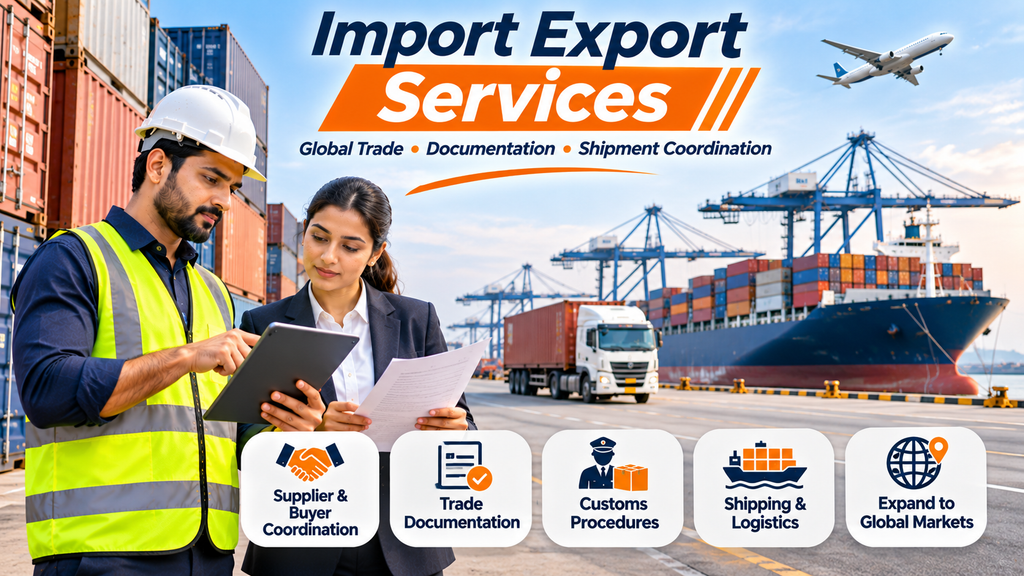
Professional import export services help businesses organize different stages of international transactions. From initial planning to shipment coordination, professional support can improve visibility and help businesses avoid unnecessary complications.
Companies can benefit from structured processes, better documentation management, and more efficient communication. This becomes especially important when businesses handle multiple shipments, work with international suppliers, or serve customers in different countries.
Making Documentation and Compliance Easier
Documentation is one of the most important aspects of international trade. Every shipment requires specific documents depending on the product, destination, transportation method, and applicable regulations.
Common documents include commercial invoices, packing lists, bills of lading, certificates of origin, shipping instructions, and other customs-related paperwork. Some products may also require special permits, inspection certificates, or additional regulatory approvals.
Incorrect information, missing documents, or inconsistent details can lead to shipment delays and additional charges. Businesses must ensure that their paperwork is accurate, complete, and prepared according to applicable requirements.
Experienced trade professionals can help businesses understand documentation requirements, organize paperwork, and coordinate with relevant parties. This support can reduce the administrative burden and make international transactions more manageable.
Improving Supply Chain Coordination
A successful international shipment depends on coordination at every stage. Products must be ready for dispatch, transportation must be arranged, documents must be prepared, and delivery schedules must be aligned with the buyer’s requirements.
Poor communication between suppliers, transport providers, and customers can create unnecessary delays. Businesses may experience missed deadlines, unexpected costs, or difficulties tracking shipment progress.
Reliable trade coordination helps connect these activities into a smoother process. Companies can plan shipments more effectively, maintain better communication with partners, and respond quickly when unexpected issues arise.
For businesses that regularly trade internationally, organized coordination can also support long-term planning, inventory management, and customer satisfaction.
Supporting Businesses with Import and Export Operations
Every business has different international trade requirements. Some companies need assistance sourcing products from overseas markets, while others want to expand their sales into new countries. Certain businesses may require support with shipment coordination, documentation, customs-related procedures, or supplier communication.
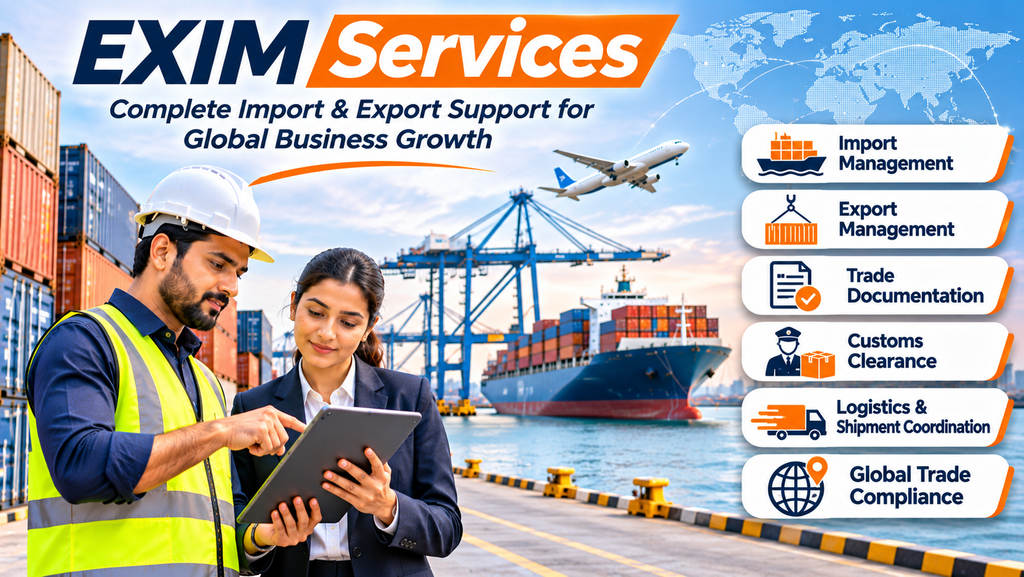
Professional exim services can help businesses manage these activities through a more structured approach. EXIM, which stands for export and import, covers the movement of goods across international borders and the processes associated with these transactions.
Whether a company is importing raw materials, exporting finished products, or exploring new international opportunities, having organized support can make trade operations easier to manage.
Businesses can also benefit from a better understanding of market requirements, shipping arrangements, documentation procedures, and the operational steps involved in cross-border transactions.
Helping Small and Medium Businesses Explore Global Opportunities
International trade is no longer limited to large corporations. Small and medium-sized businesses can also explore overseas markets, source competitive products, and connect with international buyers.
However, entering a new market requires research and preparation. Businesses should understand product demand, identify suitable suppliers or buyers, evaluate shipping costs, and review the regulations applicable to their products.
Professional import and export services can provide valuable assistance during this process by helping businesses organize trade activities and understand the requirements involved in international transactions.
With proper planning, SMEs can explore opportunities in new markets without unnecessarily complicating their existing business operations. A step-by-step approach allows companies to evaluate opportunities, manage risks, and build stronger international business relationships.
Choosing the Right Trade Support Partner
Selecting a reliable partner is an important decision for businesses involved in international trade. The right partner should understand the operational requirements of import and export activities and provide practical support based on the company’s needs.
Businesses should consider factors such as experience, communication, documentation support, coordination capabilities, transparency, and understanding of trade procedures. A dependable partner should also be able to explain the process clearly and help businesses identify potential challenges before they become serious problems.
Instead of looking only for the lowest-cost option, businesses should evaluate the overall value of the support they receive. Efficient coordination, accurate documentation, and timely communication can help prevent costly mistakes and improve the overall trade experience.
Building a More Efficient International Trade Process
A well-organized international trade process begins with preparation. Businesses should define their requirements, confirm product details, understand commercial terms, prepare documentation, and coordinate transportation arrangements before shipments move.
Technology and digital communication have also made international coordination easier. Businesses can share documents more quickly, receive updates, communicate with overseas partners, and monitor important shipment milestones.
However, technology works best when supported by clear processes and experienced coordination. Companies that combine digital tools with reliable trade assistance can improve operational efficiency and make better decisions throughout the supply chain.
Developing structured import export solutions can help businesses reduce confusion, improve shipment planning, and create a more consistent approach to international transactions.
How Gitakshmi Enterprise Supports International Trade
Gitakshmi Enterprise helps businesses navigate international trade requirements through practical support and organized coordination. The focus is on helping companies manage trade-related activities more efficiently while understanding the processes involved in cross-border business.
Businesses exploring international markets can benefit from assistance with trade coordination, documentation requirements, operational planning, and related activities based on their specific requirements.
With the right support, companies can spend less time managing complicated trade processes and more time developing products, building customer relationships, and exploring new business opportunities.
Conclusion
International trade offers businesses significant opportunities for growth, but success depends on preparation, coordination, and understanding the requirements of cross-border transactions. Documentation, logistics planning, supplier communication, regulatory compliance, and shipment management all play important roles in building a reliable trade process.
Working with an experienced support partner can help businesses manage these responsibilities more efficiently, reduce avoidable challenges, and approach international markets with greater confidence.
Whether you are planning your first international shipment or looking to improve your existing trade operations, taking the right steps today can help build a stronger foundation for future growth.
Ready to explore international business opportunities? Connect with Gitakshmi Enterprise to discuss your requirements and discover how organized trade support can help your business move forward with confidence.