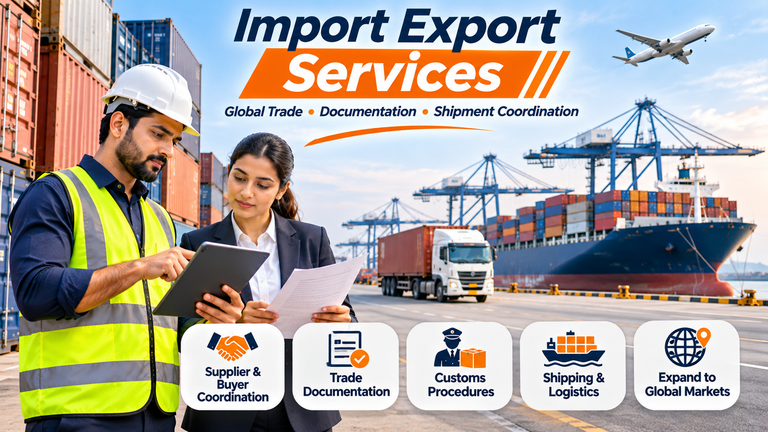

International trade opens doors to new markets, business opportunities, and better sourcing options. However, moving goods across international borders involves much more than arranging transportation. Businesses must handle documentation, customs regulations, duties, taxes, inspections, and several other procedures before their shipments can reach the final destination.
For importers and exporters, even a small documentation mistake can result in shipment delays, additional expenses, or unnecessary complications. This is why professional customs support plays an important role in international logistics. Understanding the customs clearance process and working with experienced professionals can help businesses move goods more efficiently while maintaining compliance with applicable regulations.
Why Customs Clearance Is Important in International Trade
Customs clearance is a mandatory process for goods entering or leaving a country.These requirements may include submitting commercial invoices, packing lists, shipping documents, certificates of origin, import licenses, and other supporting paperwork.
The process also involves calculating applicable customs duties and taxes, verifying shipment details, and ensuring that the goods are correctly classified. Depending on the nature of the products, customs authorities may conduct physical inspections or request additional documentation.
For companies dealing with regular international shipments, having reliable customs support can make a significant difference in operational efficiency.
Understanding the Role of Customs Professionals
Customs professionals help businesses navigate the complex requirements of international shipping. Their responsibilities extend beyond submitting paperwork. They review shipment documents, coordinate with customs authorities, assist with regulatory compliance, and help resolve issues that may arise during the clearance process.
An experienced Custom clearance agent understands the procedures involved in importing and exporting different types of goods. They help businesses prepare the required documentation, identify potential compliance concerns, and ensure that shipments follow the applicable customs guidelines.
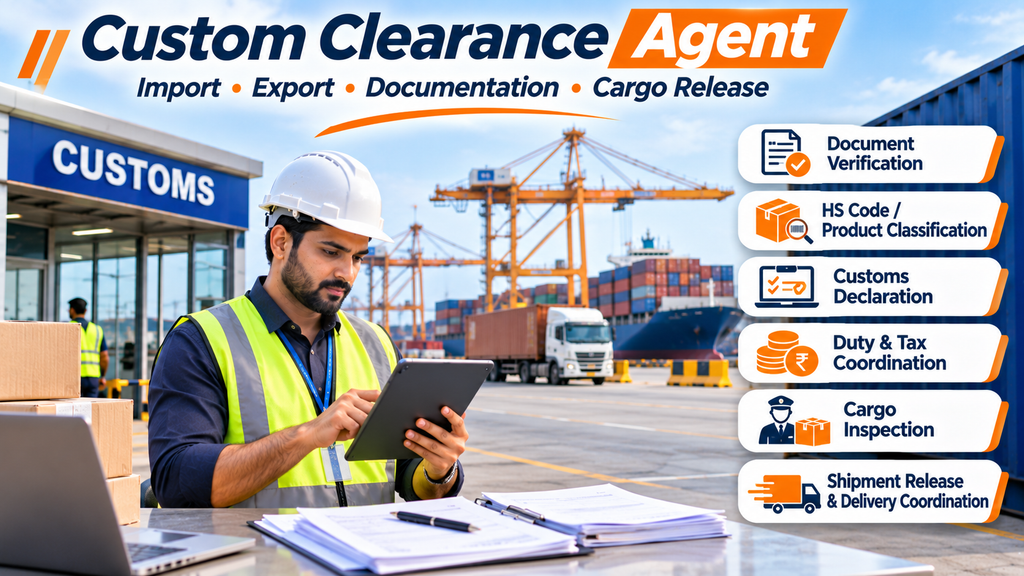
Similarly, a Custom house agent supports importers and exporters by coordinating customs-related activities, facilitating communication with authorities, and assisting with the release of cargo. Their industry knowledge helps businesses manage the clearance process with greater confidence, especially when handling shipments with specific regulatory requirements.
Common Challenges Faced During Customs Clearance
Customs procedures can become complicated when businesses are unfamiliar with the documentation and regulatory requirements. Some of the most common challenges include:
- Incorrect documentation: Incomplete invoices, incorrect product descriptions, or missing certificates can delay the clearance process.
- Classification errors: Incorrect HS codes may result in incorrect duty calculations or regulatory complications.
- Unexpected customs duties: Businesses may face additional costs when duty rates or applicable charges are not properly understood in advance.
- Regulatory changes: Import and export regulations can change, making it important to stay updated with the latest requirements.
- Shipment inspections: Customs authorities may inspect shipments, which can affect delivery timelines.
- Coordination issues: Delays in communication between suppliers, shipping companies, importers, and customs authorities can create operational challenges.
These issues can affect inventory planning, customer commitments, and overall business performance. Professional guidance and proper preparation can help minimize avoidable disruptions.
How Professional Customs Support Simplifies the Process
A structured customs clearance process begins before the shipment reaches the destination port. Reviewing documents in advance, checking product classification, and understanding applicable duties can help prevent common issues.
Professional customs support typically includes document verification, customs declaration preparation, duty and tax coordination, communication with relevant authorities, and assistance with cargo release procedures.
Businesses can also benefit from better shipment visibility and more organized communication throughout the clearance process. Instead of managing multiple procedures independently, companies can rely on experienced logistics professionals to coordinate essential activities.
This approach is particularly useful for businesses importing machinery, industrial equipment, raw materials, consumer products, or components required for manufacturing and distribution.
The Customs Clearance Process: Step by Step
Understanding the process helps businesses prepare their shipments and avoid unnecessary delays. Although procedures may vary depending on the country, product, and shipment type, the general customs clearance process includes the following stages.
1. Preparing and Verifying Shipment Documents
The first step is to ensure that all shipment documents are accurate and complete. Documents generally include the commercial invoice, packing list, bill of lading or airway bill, and other supporting certificates where applicable. Accurate documentation helps customs authorities verify the shipment details.
2. Product Classification and Duty Assessment
Every product must be classified under the appropriate Harmonized System (HS) code. This classification helps determine the applicable customs duties, taxes, and regulatory requirements. Proper classification is essential to avoid incorrect declarations and potential penalties.
3. Customs Declaration Submission
Once the documentation is ready, the necessary customs declaration is submitted through the applicable customs system. The declaration includes details about the goods, their value, origin, quantity, and classification.
4. Customs Examination and Verification
Depending on the shipment, customs authorities may conduct a document review, physical inspection, or other verification procedures. Additional documents may be requested if clarification is required.
5. Duty and Tax Payment
Import duties, taxes, and other applicable charges must be paid or settled according to the relevant regulations. Timely payment helps avoid unnecessary delays in cargo release.
6. Cargo Release and Delivery Coordination
After customs clearance is completed, the shipment can be released for further transportation. Businesses can then coordinate delivery to their warehouse, manufacturing facility, distribution centre, or final destination.
A reliable logistics partner can help manage these stages efficiently and keep businesses informed about the progress of their shipments.
The Connection Between Customs Clearance and Supply Chain Management
Customs clearance is closely connected to the broader supply chain. A delay at the port or border can affect inventory availability, production schedules, transportation planning, and customer deliveries.
Businesses that import materials regularly should consider customs planning as part of their overall procurement and logistics strategy. For example, supplier selection, purchasing timelines, shipment scheduling, inventory levels, and documentation preparation should work together.
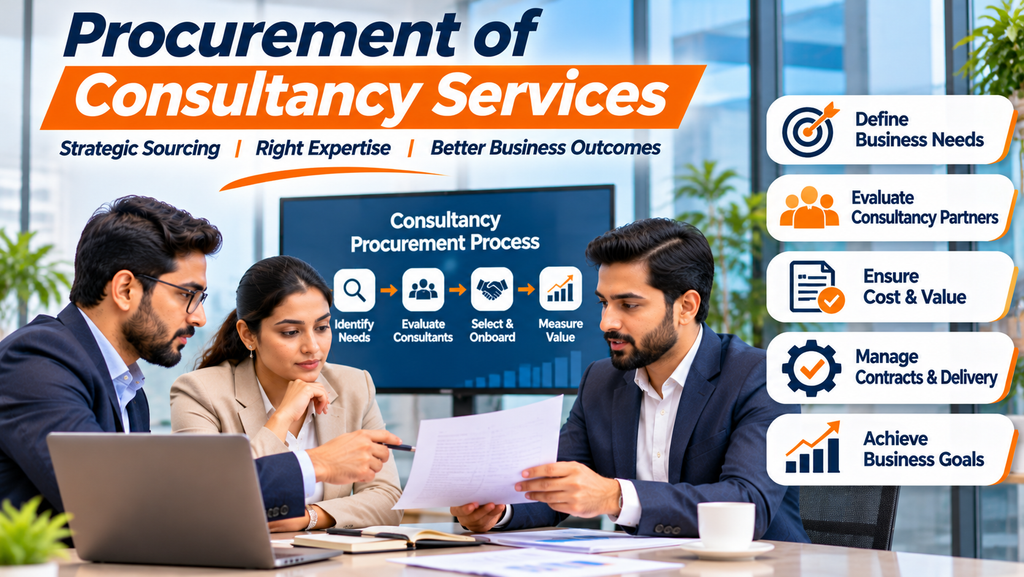
Effective strategic sourcing services can help businesses identify suitable suppliers, evaluate purchasing opportunities, and improve sourcing decisions. Meanwhile, supplier management services help maintain better coordination with suppliers, monitor performance, and support more reliable procurement operations.
Choosing the Right Customs Clearance Partner
Selecting the right service provider is an important decision for businesses involved in international trade. The ideal partner should understand customs regulations, possess relevant industry experience, and communicate clearly throughout the shipment process.
Before choosing a provider, businesses should consider the following factors:
- Industry experience: Look for professionals familiar with your product category and shipment requirements.
- Documentation expertise: Ensure they understand the documents required for different types of imports and exports.
- Regulatory knowledge: Customs procedures and requirements can vary, so updated knowledge is essential.
- Communication: Choose a partner who provides timely updates and responds quickly to queries.
- Coordination capabilities: Efficient coordination between customs, shipping companies, suppliers, and transport providers can improve the overall process.
- Transparency: Clear information about service procedures, responsibilities, and applicable charges helps avoid misunderstandings.
A dependable partner does not simply process documents. They help businesses anticipate potential issues and make informed decisions throughout the international shipping journey.
Benefits of Efficient Customs Clearance for Businesses
Efficient customs clearance can create several advantages for businesses operating in domestic and international markets.
- Reduced shipment delays: Accurate documents and proper preparation can help minimize unnecessary clearance issues.
- Better cost control: Understanding duties, taxes, and other charges helps businesses plan expenses more effectively.
- Improved inventory management: Timely cargo release supports better stock availability and reduces the risk of production interruptions.
- Stronger compliance: Following customs regulations helps businesses reduce the risk of penalties, disputes, and shipment complications.
- Greater operational efficiency: Professional coordination allows businesses to focus on procurement, sales, production, and customer service.
- Better supply chain planning: Predictable shipment movement helps companies make more informed operational decisions.
These benefits are especially valuable for businesses that depend on imported raw materials, machinery, spare parts, finished products, or components for their daily operations.
Who Can Benefit from Customs Clearance Services?
Customs support is valuable for businesses of different sizes and industries. Manufacturers importing machinery or production materials can benefit from organized clearance procedures. Trading companies handling products from international suppliers may require assistance with documentation and regulatory compliance. Retailers and distributors importing finished goods can improve inventory planning by managing customs procedures more effectively.
Exporters can also benefit from professional support when preparing shipments for international markets. Proper documentation, product classification, and coordination with relevant authorities help ensure that goods are prepared for export in accordance with applicable requirements.
Whether a company manages occasional shipments or operates a regular international supply chain, professional customs assistance can help simplify complex procedures and improve overall logistics management.
How Gitakshmi Enterprise Supports International Trade
Businesses need reliable coordination, accurate documentation, and practical logistics support when dealing with international shipments. Gitakshmi Enterprise helps businesses navigate customs-related procedures and manage important requirements involved in import and export operations.
From documentation coordination to customs-related support, having an experienced logistics partner can help businesses approach international shipments with better preparation. Companies can benefit from organized communication, assistance with clearance requirements, and support throughout different stages of the shipment process.
Conclusion
Customs clearance is an essential part of international trade that requires proper documentation, regulatory understanding, and effective coordination. Even a small error in shipment paperwork or product classification can create delays and additional costs, making professional customs support an important consideration for businesses.
Working with an experienced Custom clearance agent and a dependable Custom house agent can help simplify customs procedures, improve shipment coordination, and support smoother import and export operations. By combining customs planning with effective sourcing and supplier coordination, businesses can build a more reliable supply chain.
If your business is looking for dependable customs clearance and logistics support, connect with Gitakshmi Enterprise to discuss your requirements and explore solutions that can help simplify your international trade operations.