Construction projects involve much more than arranging materials, hiring contractors, and completing work according to a schedule. Every project requires careful planning, coordination, budgeting, communication, quality control, and risk management. Even a small delay or unexpected change can affect the overall cost, timeline, and quality of the final outcome. This is why professional project management plays an important role in the successful execution of construction and infrastructure projects.
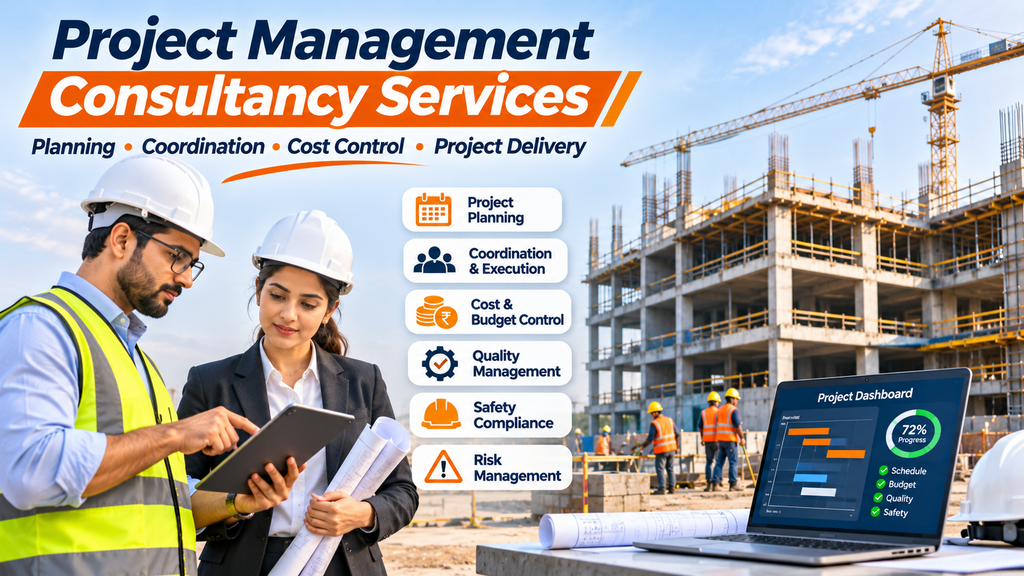
Businesses, developers, and property owners increasingly rely on experienced professionals to manage complex construction activities. With the right planning and execution strategy, projects can move forward more efficiently, avoid unnecessary expenses, and achieve their intended objectives. Working with experienced professionals offering project management consultancy services can help organizations maintain better control over every stage of a project, from initial planning to final completion.
Understanding the Importance of Project Management in Construction
Construction projects typically involve multiple stakeholders, including architects, engineers, contractors, suppliers, consultants, workers, and clients. Each stakeholder has different responsibilities, but their activities must remain coordinated to ensure smooth project execution. Without proper management, communication gaps, scheduling conflicts, material shortages, and unexpected challenges can create serious problems.
Effective project management establishes a clear direction for everyone involved. It defines project objectives, identifies responsibilities, creates realistic schedules, establishes budgets, and ensures that work is carried out according to approved plans. Proper coordination also helps identify potential risks early, allowing teams to take corrective action before issues become expensive.
A well-managed construction project is not simply about completing work on time. It is about achieving the right balance between quality, cost, safety, resources, and performance.
Planning and Coordination: The Foundation of Every Project
Planning is one of the most important stages of any construction project. Before physical work begins, project teams need to understand the scope, requirements, expected outcomes, available resources, and possible challenges. A detailed plan provides a roadmap that guides the entire project and helps all stakeholders work toward the same goal.
Project planning includes developing timelines, estimating costs, allocating resources, identifying dependencies, and establishing communication procedures. When these elements are properly organized, project managers can reduce confusion and make informed decisions throughout the project lifecycle.
Coordination between different departments and contractors is equally important. Construction activities often depend on one another, meaning that a delay in one area can affect several other activities. Strong coordination ensures that teams understand their responsibilities and that work progresses according to the planned sequence.
Why Professional Construction Project Management Matters
Large and small construction projects require continuous monitoring to ensure that planned activities are completed as expected. Construction project management brings together planning, execution, supervision, monitoring, and control to ensure that projects meet their objectives.
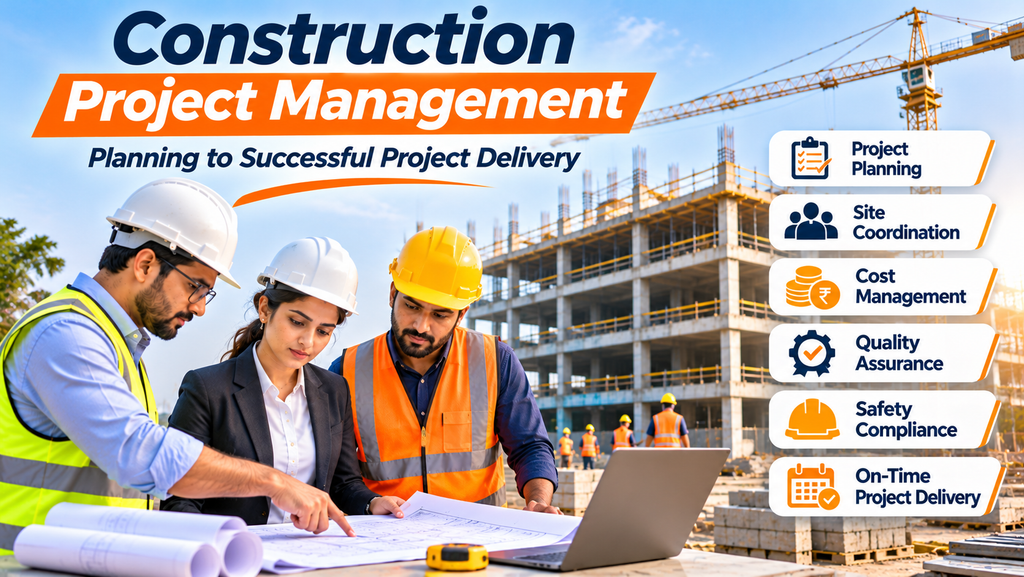
Professional management helps maintain visibility over project progress. Managers monitor timelines, track expenses, evaluate performance, review quality standards, and coordinate contractors and suppliers. They also help address unexpected changes that may arise during construction.
For example, if a material delivery is delayed, the project manager can review the schedule, identify alternative activities, and adjust the work plan to reduce the impact on the overall timeline. Similarly, if a budget issue arises, financial monitoring helps identify the cause and determine appropriate corrective measures.
This proactive approach helps construction teams avoid unnecessary delays, improve accountability, and maintain better control over project outcomes.
Managing Project Costs and Resources Effectively
Cost management is a critical responsibility in construction. Projects often involve significant investments in materials, labor, machinery, equipment, transportation, and professional services. Without proper financial planning and monitoring, expenses can quickly exceed the approved budget.
Experienced project managers prepare cost estimates, monitor expenditure, review changes, and compare actual costs against planned budgets. This allows project owners to understand where their money is being spent and make better financial decisions.
Resource management also plays an important role. Labor, equipment, materials, and time must be allocated efficiently to avoid waste and improve productivity. Proper resource planning ensures that the right people and equipment are available when required.
Working with a professional project management consultant can provide organizations with valuable guidance regarding planning, budgeting, scheduling, resource allocation, and project performance. Their experience can help businesses identify opportunities to improve efficiency while maintaining quality standards.
Improving Quality, Safety, and Compliance
Quality and safety should never be treated as secondary priorities in construction. Every project must meet applicable specifications, standards, regulations, and client requirements. Poor quality can lead to rework, additional expenses, operational problems, and long-term maintenance issues.
Quality management involves reviewing materials, monitoring workmanship, conducting inspections, and ensuring that completed activities meet the required standards. Regular site monitoring helps identify problems early and prevents small issues from becoming major concerns.
Safety management is equally essential. Construction sites involve machinery, electrical systems, working at heights, heavy materials, and several other potential hazards. Proper safety planning, training, inspections, and coordination help reduce workplace risks and create a safer environment for everyone.
Effective construction management supports consistent quality and safety practices by establishing clear procedures, monitoring compliance, and ensuring that responsibilities are properly assigned.
The Role of Construction Management Services in Complex Projects
Modern construction projects require expertise in several areas, including scheduling, procurement, contractor coordination, documentation, quality assurance, risk management, and progress monitoring. Organizations may not always have the internal resources or specialized knowledge needed to manage all these activities effectively.
Professional construction management services help businesses manage these responsibilities through structured planning and project execution. Such services can support projects at different stages, depending on their requirements and complexity.
From coordinating contractors and reviewing project schedules to monitoring site progress and managing documentation, construction management professionals help create a more organized working environment. They also support communication between project owners, technical teams, and other stakeholders.
This organized approach is particularly valuable for projects where multiple contractors, departments, suppliers, or technical activities must work together within a defined timeline and budget.
Managing Risks and Unexpected Challenges
Every construction project carries some level of risk. These risks may include unexpected site conditions, weather disruptions, material price fluctuations, labor shortages, equipment breakdowns, design changes, or delays in approvals.
Risk management begins with identifying potential challenges during the planning stage. Project teams can then evaluate their possible impact, develop preventive measures, and establish contingency plans.
Continuous monitoring is necessary because risks can change as the project progresses. Regular reviews, timely communication, and proper documentation help project managers respond quickly when unexpected situations occur.
A structured risk management process reduces uncertainty and supports better decision-making. Instead of reacting to problems after they occur, project teams can prepare for possible challenges and minimize their impact on project performance.
Technology and Modern Project Management Practices
Technology is changing the way construction projects are planned, monitored, and executed. Digital project management tools help teams manage schedules, share documents, track progress, monitor costs, and communicate more efficiently.
Project dashboards provide useful information about project performance, while digital documentation improves transparency and reduces the risk of missing important records. Scheduling software can also help identify dependencies, track milestones, and highlight delays before they significantly affect project completion.
The use of technology does not replace professional expertise. Instead, it supports better planning, faster communication, and more informed decisions. Combining experienced project managers with modern tools can improve project visibility and overall efficiency.
Choosing the Right Project Management Partner
Selecting the right project management partner can make a significant difference in the success of a construction project. Businesses should look for professionals who understand project requirements, have relevant experience, communicate clearly, and follow a structured management approach.
A reliable partner should be able to support planning, scheduling, coordination, cost monitoring, risk management, quality control, and project reporting. Transparency, accountability, and practical problem-solving are also important qualities.
Gitakshmi Enterprise focuses on helping organizations approach projects with structured planning, professional coordination, and an emphasis on efficient execution. The right management support allows businesses to focus on their objectives while project activities are monitored and managed more effectively.
Conclusion
Successful construction projects require more than technical expertise and physical resources. They need strong planning, effective communication, efficient resource allocation, cost control, quality assurance, safety management, and continuous monitoring.
Professional management helps bring these elements together into a coordinated process. By identifying risks early, maintaining clear responsibilities, and monitoring progress throughout the project lifecycle, organizations can improve efficiency and reduce the likelihood of unnecessary delays and expenses.
Whether planning a new facility, managing infrastructure development, or coordinating a complex construction project, investing in professional management can help create a more reliable path toward successful completion.
Ready to Manage Your Next Project More Efficiently?
A well-planned project starts with the right management approach. If your business is looking for professional support with planning, coordination, execution, and project monitoring, explore the project management solutions offered by Gitakshmi Enterprise.
Visit Gitakshmi Enterprise to learn more about its project management expertise and discover how professional guidance can help your next project move forward with greater efficiency, control, and confidence.